Post
Sakura Pigma Micron Fineliner Pen: The Artist and Illustrator’s Essential Drawing Tool Best 2026
May
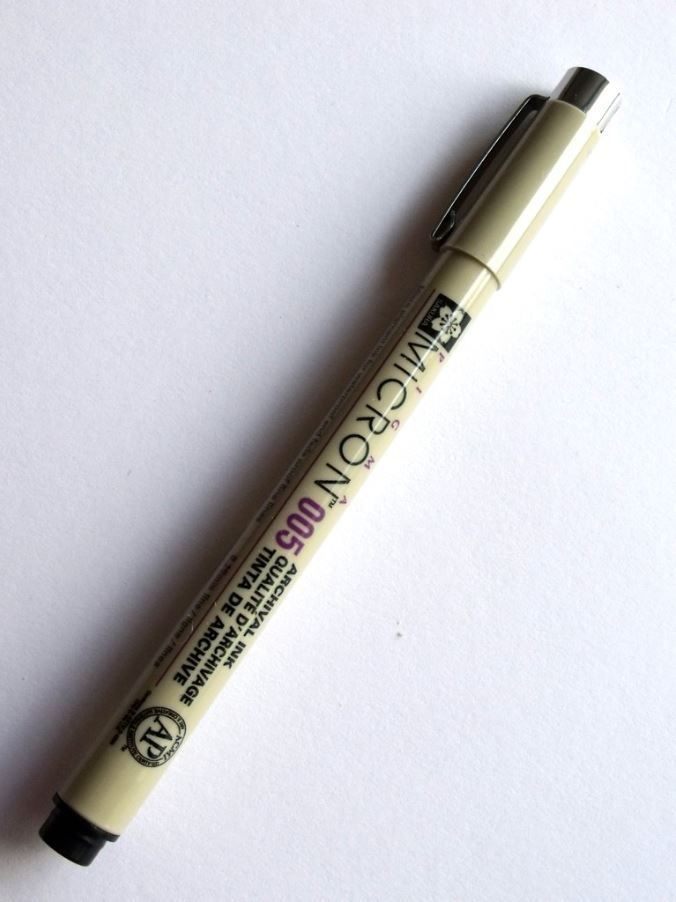
Sakura Pigma Micron Fineliner Pen: The Artist and Illustrator’s Essential Drawing Tool
In the world of art supply stores, there is a category of product that earns its place on professional shelves not through marketing but through merit — tools that practicing artists reach for because they genuinely perform better than alternatives. The Sakura Pigma Micron Fineliner Pen is firmly in this category. Used by illustrators, cartoonists, architects, technical illustrators, urban sketchers, and creative professionals worldwide, the Micron has been the definitive fine-line drawing pen for decades, and its continued dominance in a crowded market reflects consistent excellence that competitors have not been able to displace.
The Pigma Ink System: Archival Quality at Its Core
The defining characteristic of the Sakura Pigma Micron is its ink — a pigment-based formulation called Pigma ink that Sakura developed specifically for permanence and archival quality. Unlike dye-based inks that fade when exposed to light and can be reactivated or smeared by water-based media applied over them, Pigma ink uses carbon black pigment particles suspended in a specially formulated medium that creates a water-resistant, acid-free line once dried.
The archival properties of Pigma ink mean that work created with the Micron will not yellow, fade, or deteriorate over time, even under normal light exposure. This is critically important for professional illustrators creating work intended for reproduction, archival, or sale. A drawing made with Pigma Micron today will look essentially identical in fifty years, which is a standard that many other inks cannot meet. The acid-free formulation also ensures the ink does not damage paper fibers over time, which is important for work in artists’ books and premium sketchbooks intended for long-term preservation.
Nib Sizes and Line Control
Sakura produces the Micron in an extensive range of nib sizes that cover virtually every line width need in drawing and illustration: 005 (0.20mm), 01 (0.25mm), 02 (0.30mm), 03 (0.35mm), 05 (0.45mm), 08 (0.50mm), and 1 (0.60mm). The numbering system, while not immediately intuitive, becomes familiar quickly and allows artists to build a complete toolkit covering everything from hair-fine detail lines to confident structural marks.
The precision of Micron nibs across their size range is impressive. The 005 nib produces a line of extraordinary fineness that maintains its width consistently even at slow drawing speeds that tend to expose variability in lower-quality nibs. The larger sizes maintain similarly consistent geometry, neither widening under pressure nor narrowing when drawn quickly. This consistency is essential for technical illustration, architectural drawing, and any application where line weight control is compositionally significant.
Nib Construction and Drawing Feel
The Micron’s nib is constructed from a specially formulated plastic that combines rigidity with a slight responsiveness to the paper surface. Unlike the complete rigidity of metal nibs, the Micron’s plastic nib has a tiny amount of give that many artists find more comfortable during extended drawing sessions — the nib conforms microscopically to the paper texture rather than riding entirely above it. The result is a drawing feel that many describe as “smooth with feedback” — the nib moves effortlessly but communicates the paper surface to the hand, providing the tactile information artists use to assess mark quality.
The nib’s resistance to splaying under pressure is excellent for its size. Under normal drawing pressure, the 005 and 01 nibs maintain their fine line width reliably rather than flaring out to produce thicker marks. Only under abnormal pressure — leaning heavily on the pen — do the finer nibs degrade. For normal drawing use, the nibs perform consistently over the pen’s lifespan.
Water Resistance and Mixed Media Applications
The Pigma ink’s water resistance after drying is one of its most practically important properties for artists who work in mixed media. Watercolor washes applied over dried Micron lines do not reactivate the ink, allowing clean, sharp line and wash illustrations without bleeding of the ink into the water color. This property enables the pen-and-wash technique that is foundational to many illustration styles, from urban sketching to graphic novel artwork to botanical illustration.
The extent of water resistance varies slightly with the size of nib and the speed of the wash application. Very wet washes applied forcefully over very fine lines can sometimes cause minor lifting, but careful wash application over dried Micron lines is generally completely reliable. Artists who have switched from water-soluble fineliners to Microns for mixed media work typically find the improvement transformative — the ability to work freely with water-based media over established linework opens compositional possibilities that were previously unavailable.
Compatibility with Different Paper Types
The Micron performs excellently across a wide range of paper stocks. On smooth hot-press watercolor paper, the nib glides freely and produces clean-edged lines with excellent definition. On cold-press watercolor paper with its textured surface, the nib navigates the texture while maintaining line integrity, producing marks with a slight organic quality created by the paper texture. On Bristol board — the preferred surface for professional comic and illustration work — the Micron excels, combining with the surface’s smoothness to produce lines of maximum precision.
Longevity and Economics
Micron pens are not refillable, which is their primary practical limitation. Each pen’s lifespan depends on usage intensity, paper type, and storage habits. Properly stored — caps replaced immediately after use, stored horizontally — Microns have a reasonable lifespan for their price point. For professional artists who use them intensively, the replacement cost is a real consideration, though the quality of results generally justifies the ongoing investment for serious work.

Conclusion
The Sakura Pigma Micron Fineliner Pen has earned its place in the professional artist’s toolkit through decades of reliable, excellent performance. Its archival ink, precise nib range, and compatibility with mixed media applications make it the definitive fineliner for anyone who takes drawing and illustration seriously. For students beginning their artistic journey and professionals creating work intended to last, the Micron is simply the benchmark against which all other fineliners are measured.
Final Thoughts and Long-Term Value
One of the reasons this product continues to remain popular among students, professionals, hobbyists, and collectors is the balance it offers between affordability, reliability, and everyday usefulness. Many products become successful for a short period because of trends, marketing campaigns, or social media attention, but truly excellent tools continue to be recommended for years because users trust them in practical situations. A dependable writing or office tool becomes part of a person’s daily routine, and over time that familiarity creates a stronger appreciation for the product’s design and consistency.
Another important factor is versatility. Whether the product is being used in schools, offices, creative studios, or at home, it adapts well to different environments and different working styles. People often underestimate how much productivity and comfort can improve when they use tools that are thoughtfully designed. Small details such as grip comfort, balanced weight, smooth performance, refillability, durability, and portability all contribute to a better overall experience. These qualities are especially valuable for people who spend many hours writing, organizing, drawing, planning, or studying.
In addition to functionality, the product also reflects broader trends in modern stationery culture. Over the past decade, interest in premium stationery and high-quality office supplies has increased dramatically around the world. Many consumers now see stationery not only as a practical necessity but also as a form of self-expression and creativity. This shift has encouraged manufacturers to improve aesthetics, expand color selections, refine materials, and introduce features that make everyday tasks more enjoyable. As a result, products like this continue to gain loyal communities of enthusiasts who share recommendations, reviews, and creative uses online.
Durability also plays a major role in long-term value. A product that lasts for years reduces waste and provides better value compared to disposable alternatives that need frequent replacement. Consumers are increasingly paying attention to sustainability, and reusable or refillable stationery products align well with those priorities. High-quality construction means the product can maintain strong performance over extended periods, making it a worthwhile investment for people who value dependable tools.
Ultimately, the enduring success of this product comes from its ability to combine thoughtful engineering, user comfort, visual appeal, and practical reliability into a single experience. It is easy to recommend because it consistently delivers what users expect while also offering small details that improve everyday tasks in meaningful ways. Whether someone is discovering the product for the first time or has been using it for years, it remains one of the strongest options available in its category and continues to set a high standard for competitors across the stationery industry.
