Post
Zebra Mildliner Double-Sided Highlighter: The Highlighter That Changed How We Annotate Best 2026
May
Zebra Mildliner Double-Sided Highlighter: The Highlighter That Changed How We Annotate
Standard highlighters have a fundamental aesthetic problem: their colors are aggressively fluorescent, drawing the eye forcefully to marked passages while simultaneously making pages look cluttered, garish, and visually fatiguing when multiple colors are used together. The Zebra Mildliner Double-Sided Highlighter solved this problem by doing something that seems obvious in retrospect but took decades to reach the market: making highlighter ink soft. The Mildliner’s muted, sophisticated color palette has made it the preferred tool of students, bullet journalists, planners, and anyone who wants to organize information beautifully rather than merely visibly.
The Mildliner Color Philosophy
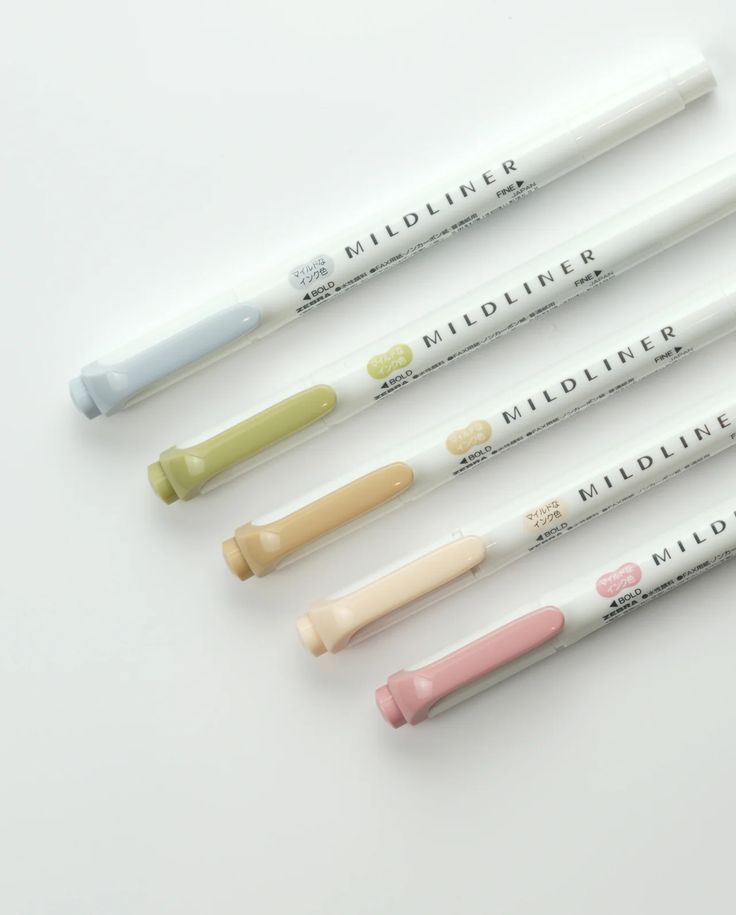
Zebra developed the Mildliner as a direct response to the visual aggression of conventional fluorescent highlighters. Rather than the eye-searing yellow, orange, pink, and green of standard highlighting ink, Mildliner colors are desaturated versions of similar hues — softer yellows that read as warm wheat tones, gentle pinks that feel almost pastel, blues that evoke faded denim rather than neon, and a wide range of other muted interpretations of the highlighting color spectrum.
These softer colors accomplish the primary function of highlighting — marking important passages for retrieval — while producing a visual result that feels calm, organized, and aesthetically intentional. Pages highlighted with Mildliners look curated rather than marked up, which is particularly important in notebooks and planners that double as personal creative documents. The colors also photograph beautifully, which has made Mildliners enormously popular in the study and planner aesthetic communities that thrive on social media platforms like Instagram and Pinterest.
The Double-Sided Design
Each Mildliner pen features two tips that serve different functions. The chisel tip — the wider of the two, typically around 4mm — is the classic highlighting tip, suited to marking lines of text, underlining passages, and creating color blocks in planners and notes. The bullet tip on the opposite end — approximately 0.7mm — allows for fine-line work: writing small annotations in coordinating colors, creating thin underlines for secondary emphasis, drawing ruled lines, and adding decorative details to bullet journal spreads.
The combination of these two tip types in a single pen transforms the Mildliner from a single-function tool into a versatile annotation and decoration instrument. A student can highlight a key passage with the chisel tip, then use the bullet tip to write a marginal note in a matching color, creating a visually organized annotation system with a single pen. A planner enthusiast can rule headers with the chisel tip and add detail text with the bullet tip, maintaining color consistency across both large and small elements.

Ink Chemistry and Paper Performance
Zebra formulated the Mildliner’s ink specifically to work without obscuring the text beneath. The ink is water-based and relatively transparent, allowing printed or hand-written text to remain fully legible after highlighting. The ink’s drying speed is calibrated to prevent smearing from hand contact immediately after application — a critical property for left-handed writers who drag their hand across recently written text.
On most standard paper stocks, Mildliner ink does not bleed through to the reverse side under normal use, though very thin papers like those used in some Bible editions or Hobonichi planners may show slight ghosting with extended or heavy application. On thicker papers — standard copy paper, Rhodia, Leuchtturm, Clairefontaine — performance is excellent, with clean edges and no bleed. The ink does not reactivate when a second pass is made over dried ink, which is important for building layered highlighting effects in organized note systems.
Color Collection and Organization Systems
Zebra organizes the Mildliner range into color families that facilitate organized collecting. The original set of five colors has expanded over years of product development to include dozens of distinct hues across multiple themed sets: Mild colors (the original muted palette), Fluorescent colors (slightly more vivid but still softer than conventional highlighters), Cool colors (blues, greens, and purples in muted versions), Warm colors (ambers, pinks, and reds in soft iterations), and special limited-edition sets that Zebra releases periodically.
Many Mildliner enthusiasts collect complete sets and develop personal color-coding systems that use specific colors for specific purposes — red family for urgent tasks, blue family for reference material, green for positive items, neutral tones for general highlighting. The consistency of Mildliner color production across batches means colors from different purchase occasions match reliably, allowing collections to be built over time without inconsistency.
The Bullet Journal and Study Community
The Mildliner’s rise to global popularity is inseparable from the explosion of the bullet journal movement and the study aesthetic community in the mid-2010s. As social media platforms became filled with elaborate, artistically rendered study notes and planner spreads, the tools that enabled that aesthetic became objects of desire in their own right. Mildliners appeared ubiquitously in these visual contexts — their colors provided the palette for countless stunning notebook pages that inspired viewers to recreate similar systems.
This community adoption created a feedback loop: Mildliners appeared in viral study inspiration content, inspiring purchases, which led to more Mildliner-featuring content, which drove more purchases. Today, the Mildliner is arguably the single most recognized tool in the planner and study community, its aesthetic defining an entire visual genre of personal organization.
Longevity and Value
Mildliners have generous ink reserves relative to their price point, providing extended use before replacement is needed. The cap seals effectively, preventing the premature drying that afflicts many highlighters when left uncapped accidentally. For organized users who maintain their tools properly, a set of Mildliners provides months of daily use. The double-sided design also effectively doubles the functional value of each pen, since two tip types are available without needing to carry separate pens.
Conclusion
The Zebra Mildliner Double-Sided Highlighter succeeded by asking a simple question that no one had thought to ask: what if highlighters were beautiful? The answer to that question has produced one of the most beloved stationery products of the past decade — a tool that makes studying, planning, and annotating more enjoyable, more organized, and more visually rewarding. For anyone who works with paper-based information systems, the Mildliner is an essential component of a quality toolkit.
Final Thoughts and Long-Term Value
One of the reasons this product continues to remain popular among students, professionals, hobbyists, and collectors is the balance it offers between affordability, reliability, and everyday usefulness. Many products become successful for a short period because of trends, marketing campaigns, or social media attention, but truly excellent tools continue to be recommended for years because users trust them in practical situations. A dependable writing or office tool becomes part of a person’s daily routine, and over time that familiarity creates a stronger appreciation for the product’s design and consistency.
Another important factor is versatility. Whether the product is being used in schools, offices, creative studios, or at home, it adapts well to different environments and different working styles. People often underestimate how much productivity and comfort can improve when they use tools that are thoughtfully designed. Small details such as grip comfort, balanced weight, smooth performance, refillability, durability, and portability all contribute to a better overall experience. These qualities are especially valuable for people who spend many hours writing, organizing, drawing, planning, or studying.
In addition to functionality, the product also reflects broader trends in modern stationery culture. Over the past decade, interest in premium stationery and high-quality office supplies has increased dramatically around the world. Many consumers now see stationery not only as a practical necessity but also as a form of self-expression and creativity. This shift has encouraged manufacturers to improve aesthetics, expand color selections, refine materials, and introduce features that make everyday tasks more enjoyable. As a result, products like this continue to gain loyal communities of enthusiasts who share recommendations, reviews, and creative uses online.
Durability also plays a major role in long-term value. A product that lasts for years reduces waste and provides better value compared to disposable alternatives that need frequent replacement. Consumers are increasingly paying attention to sustainability, and reusable or refillable stationery products align well with those priorities. High-quality construction means the product can maintain strong performance over extended periods, making it a worthwhile investment for people who value dependable tools.
Ultimately, the enduring success of this product comes from its ability to combine thoughtful engineering, user comfort, visual appeal, and practical reliability into a single experience. It is easy to recommend because it consistently delivers what users expect while also offering small details that improve everyday tasks in meaningful ways. Whether someone is discovering the product for the first time or has been using it for years, it remains one of the strongest options available in its category and continues to set a high standard for competitors across the stationery industry.
